



Bob Koncerak
D6900 grants committee, Rotary Club of Alpharetta, Georgia
Professional Title: Designated CEO for First City Bank, Alpharetta
Presentation Title: APADPEL Down Syndrome Training & Education Center in Pelotas, R.S. Brazil

Jason DiFranco
Member, Rotary Club of Duluth, Georgia
Professional Title: Director of Development for Special Needs Schools of Gwinnett (SNS)
Presentation Title: Aspects of Inclusive Education: A Perspective on the Programs of Special Needs Schools of Gwinnett County, GA
 Dr. Samuel Juma
Service Projects Director, Rotary Club of Nairobi Upper Hill, Nairobi, Kenya
Professional Title: Regional Global Health Security Advisor, Anglophone Africa
Presentation title: Beyond Barriers: Turning Hope into Triumph
 Irene del Rocío
Founder of ROTA TEA and Chair of the Community Service Projects Committee, Rotary Club Trujillo Libertad
Professional Title: Computer Engineer
Presentation Title: ROTA TEA – Empowering Teachers and Families for Autism Inclusion
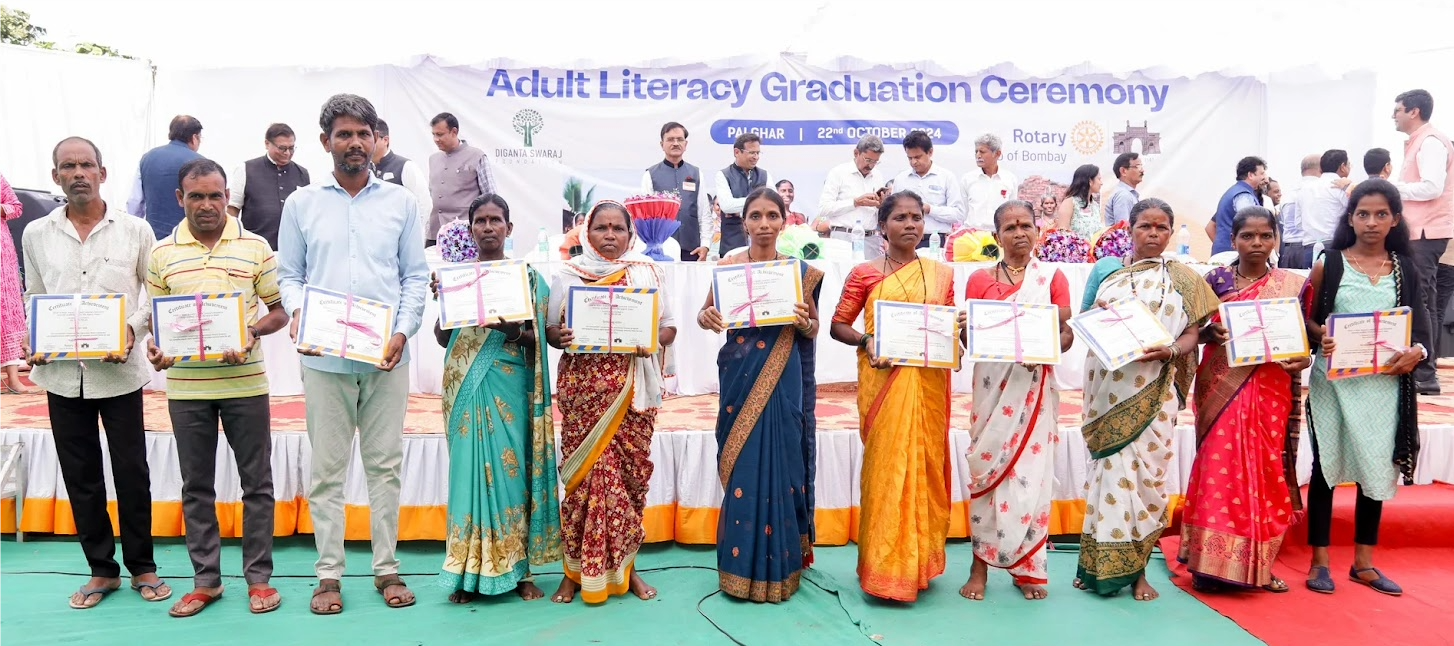
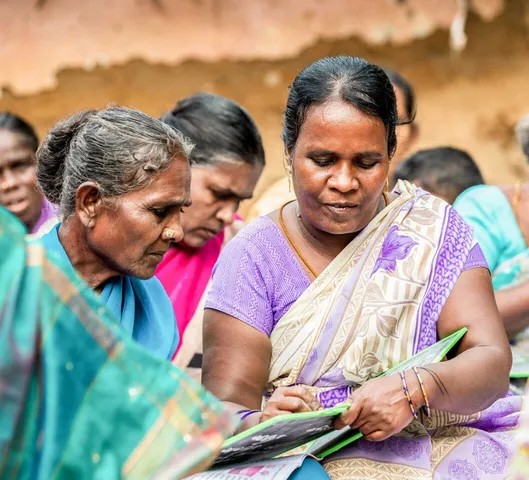
Adult Literacy and Empowering Education Initiative for Tribal Communities
Sponsored by The Rotary Club of Bombay, India
The project reached 200,000 adult learners, and with the help of local educators and grassroots organizations, a curriculum tailored to their needs was developed. Post-program evaluations confirmed significant increases in both functional literacy and basic education. The program graduates are working in a variety of new jobs and are proudly independent. The project continues to expand and change the lives of thousands.
The Rotary Club of Bombay led a large community initiative across three hamlets near Mumbai. Their goal was to reduce adult illiteracy in the area by delivering comprehensive, practical instruction in reading, writing, basic arithmetic, financial literacy, and digital awareness. They worked in local communities with trained young facilitators to raise the standard of basic education of the underserved adults, particularly women and daily wage earners. They developed plans by conducting comprehensive baseline data collection, which showed acute functional illiteracy well above regional standards. An intervention plan was developed that included local NGO's who already worked in the area. Over 3000,000+ adult learners who were traditionally lacking access to schooling were targeted. Females were empowered to gain financial independence and manage household budgets. Rotarians collected baseline assessments, provided direct leadership, and linked finances for the project.
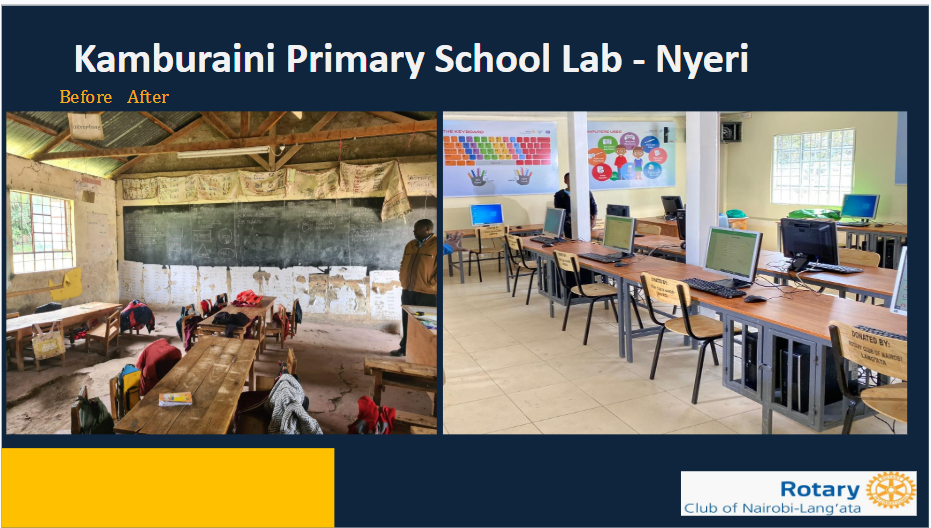
Digital Literacy Program
Sponsored by the Rotary Club of Nairobi-Lang’ata, Kenya
The Rotary Club of Nairobi-Lang'ata developed the Digital Literacy Program to equip students with digital skills and teachers with the tools to create engaging lessons in under-resourced schools across Kenya. Existing classrooms are adapted into labs with 25 networked computers, broadband internet, a projector, and a printer. It addresses the digital divide through practical learning, teacher training, and curriculum-aligned resources as approved by the Kenya Institute of Curriculum Development.
School leaders, parents, and alumni maintain computer labs, while Rotarian sponsors provide continuity after the lab is handed over to the community. Since 2022, 13 school labs have been completed, with two projects in the implementation phase, and another 13 schools have been assessed and are waiting for funding. A service project team selects schools by conducting a thorough assessment of each school's learning priorities, teaching capacity, and available facilities, involving students, teachers, and school leadership. Baseline data records each school's starting point, and an appropriate, integrated plan is developed.
More than 11,000 students across the 13 completed lab schools have benefited to date. Importantly, 70 teachers have received digital literacy and teaching training. Each lab also serves up to 6 adjacent schools. Rotary's Global Grants program has funded this large, complex project.
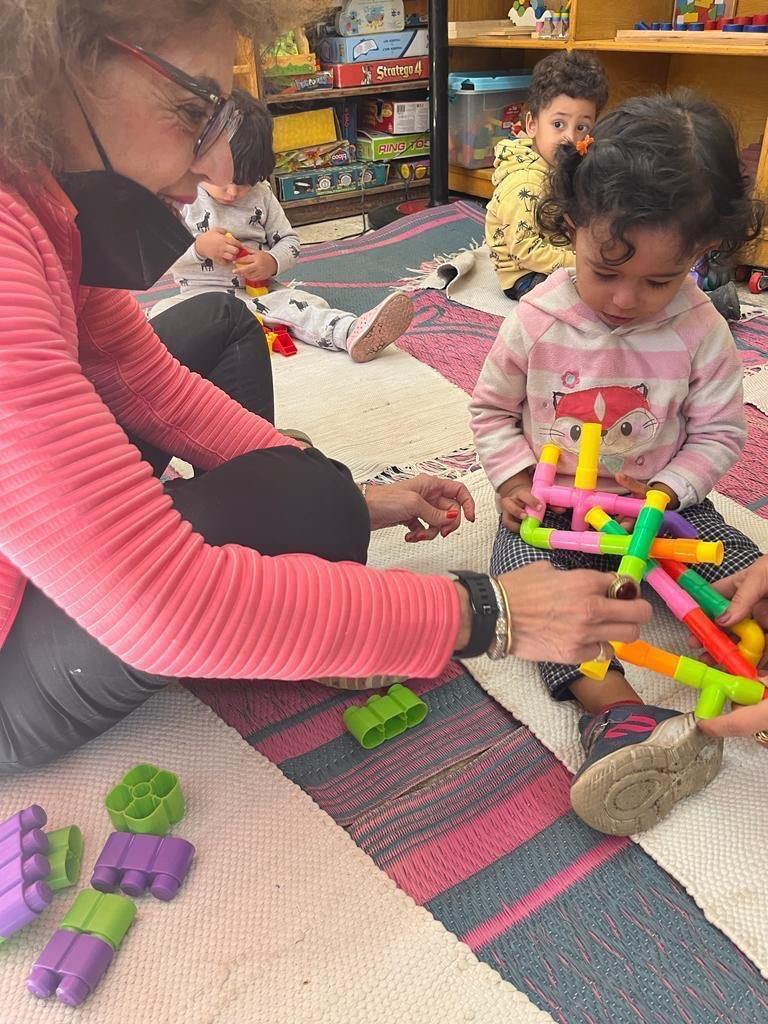
From Shame to Success: Mothers as Literacy Mentors for Children with Learning Disabilities in Manshayat Nasser, Cairo
Sponsored by the Rotary Club of Scarborough, Ontario, Canada
With support from the Rotary Club of Scarborough, this project conducted the first screening of 250 school-age children in the Zabaleen community of Manshayat Nasser, Cairo. Previously, there were no services for children with learning disabilities, and the mothers were blamed for raising lazy children. Twelve percent, or 30 children aged 6 to 12, were identified with dyslexia, dyscalculia, ADHD, or speech disorders. Thirty mothers were trained in early detection and structured literacy support through three-hour sessions held twice weekly. Five mothers were trained as Literacy Mentors to deliver one-on-one sessions to five children each.
A speech therapist worked with children with speech disorders. Individual plans were developed for each child that were reviewed every 3 months. These mothers gained skills and raised their standing in the community. They were supported as they stood up to bullying from community members. Monthly parent sessions spread awareness of learning disabilities as treatable, not shameful.
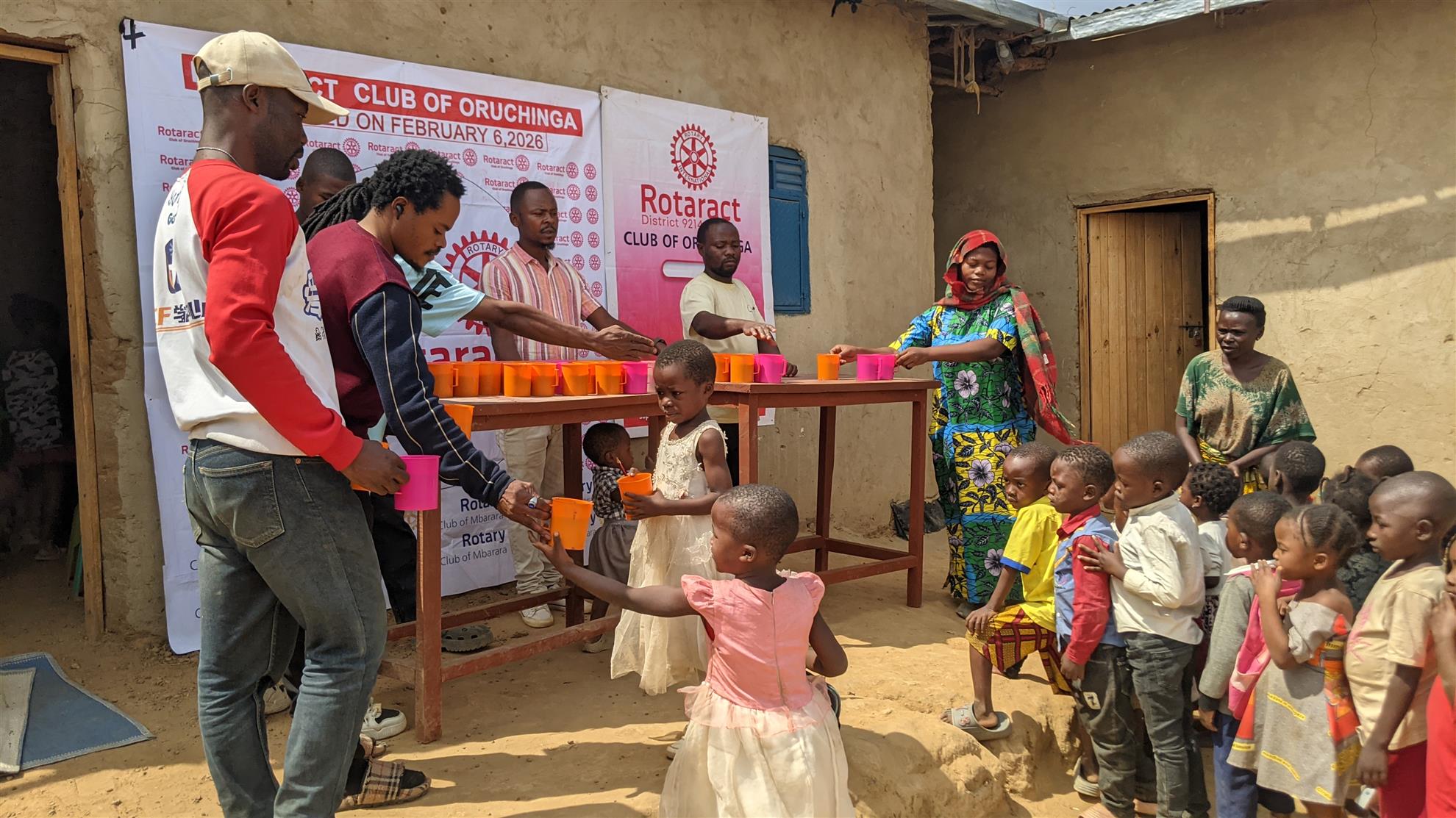 Strengthening Basic Education, Literacy and Child Wellbeing at Peace Academy, Nakivale Refugee Settlement
Sponsored by the Rotaract Club of Oruchinga, Uganda
The Peace Academy Nakivale is a nursery-to-primary 3 school that serves 350 children from refugee and host communities in Nakivale Refugee Settlement, Uganda. These are the most critical years of development and schooling. A long-term plan is to expand classes for this age group to higher primary grades as the children progress. Enrollment growth has increased demand for a holistic infrastructure investment, with an emphasis on literacy development.
Working with the Rotaract Club of Oruchinga, Rotarian partners, teachers, parents, community members, and school leadership, this project moved beyond the materials to create a sustainable literacy and education model that can be replicated in other refugee and underserved communities in Uganda.
Baseline data was collected at the beginning of the school year to identify children's reading and basic literacy levels and teacher assessments of learning-resource gaps. They then aligned this data with the availability of age-appropriate reading materials. The Rotary Clubs have made site visits to continue evaluating needs and build a long-term foundation for improving children's reading and learning skills, rather than providing only short-term assistance.


